
Lux Metals drills 17.57 g/t gold over 19.50 metres in first hole at Zone 32, La Grande Gold Project, James Bay, Québec
Lux Metals Corp. [TSXV: LXM] reported the first assay results from its diamond drill program at the La Grande Gold Project, located in the Eeyou Istchee James Bay region of northern Québec. Hole LG26-241 intersected 17.57 g/t gold over 19.50 metres, including 39.08 g/t gold over 8 metres, from 220.5 metres downhole. The hole was designed to test the grade and continuity of Zone 32.
Highlights: Hole LG26-241 intersected 17.57 g/t Au over 19.50 metres, including 39.08 g/t Au over 8 metress. One sample returned 165 g/t Au over 1 metre.
This interval is located more than 40 metres from a known historical interval, confirming the grades and continuity of Zone 32.
Interval is hosted within sheared tonalite presenting sericite alteration, disseminated chalcopyrite-pyrite mineralization and quartz-chlorite veins with multiple visible gold specks.
Drilling is ongoing, with two holes planned at depth of Zone 32. Assays for all remaining holes are pending.
“This is the first hole Lux has drilled at La Grande, and it delivered. After more than a decade without drilling at Zone 32, we’re seeing the same style of shear-hosted gold-copper mineralization the previous operators reported. We acquired this project because we believed the system was open, and today’s result is the first step in demonstrating that,” said Kim Quyên Nguyên, President and CEO of Lux Metals.
The program has two main objectives: Confirm grade and continuity of Zone 32 by increasing drill density within the known system to support a future NI 43-101-compliant mineral resource estimate and expand known mineralization at Zone 32 down-plunge and along strike. Provide data to refine structural and alteration models across the property.
Zone 32 is an Archean gold–copper system which lies along the contact between the La Grande-Sud tonalite and Yasinski Group volcanic rocks. The current drilling program is intended to confirm historical information and to better understand mineralization control. The partial results of drillhole LG26-241 indicate that the sericite alteration in the tonalite and the associated sulphide dissemination control most of the gold distribution in the deposit.
These areas are also highly deformed and contain small quartz-chlorite veinlets acknowledging the fluid circulation. Areas with quartz veins associated with high percentage of sulfides generate high grade gold zones, with visible gold specks observed.
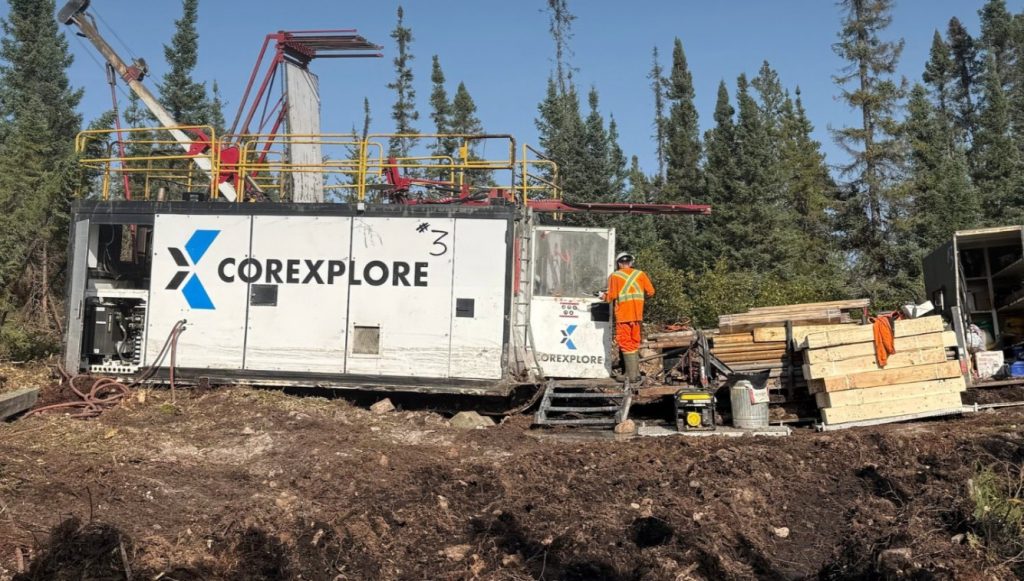
One rig is drilling at the La Grande project. The active drilling is targeting the eastern extension of Zone 32 and the deep zone identified in LGS12-224. The program should be closing around mid-October with final assay results available mid to end of November 2026.
Lux Metals is focused on advancing its flagship La Grande Gold Project in Québec’s James Bay region. The project hosts the high-grade Zone 32 gold system, supported by extensive historic drilling, direct access via the four-season Trans-Taïga Road, and district-scale exploration potential.
Resource World Magazine Inc. has prepared this editorial for general information purposes only and should not be considered a solicitation to buy or sell securities in the companies discussed herein. The information provided has been derived from sources believed to be reliable but cannot be guaranteed. This editorial does not take into account the readers investment criteria, investment expertise, financial condition, or financial goals of individual recipients and other concerns such as jurisdictional and/or legal restrictions that may exist for certain persons. Recipients should rely on their own due diligence and seek their own professional advice before investing.