
Bonterra Resources bulk samples 3.87 g/t gold at Moroy, 1,308 oz gold recovered
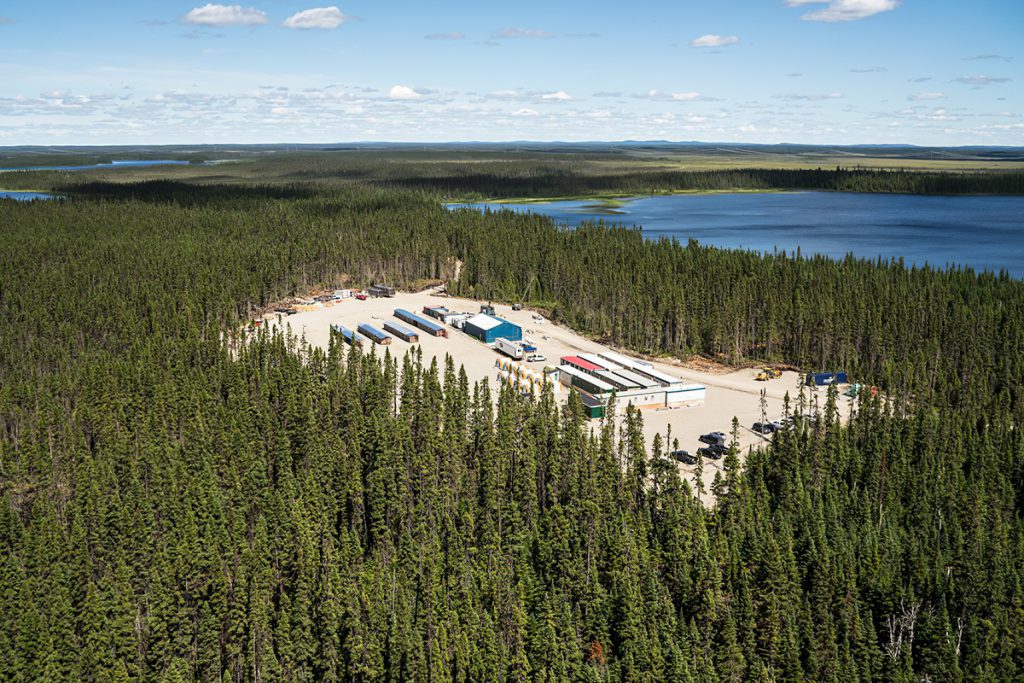
Bonterra Resources Inc. [BTR-TSXV; BONXF-OTCQX; 9BR2-FSE] reported results from its bulk sampling program at the Moroy Project, Quebec previously announced on September 15, 2020. The results from processing 11,093 tonnes extracted from the M1 structure confirmed the mineral resources estimated by SGS Canada Inc. in May, 2019.
The average mill head grade obtained in the bulk sample was 3.87 g/t gold, which is 9.3% higher than the measured resources grade of 3.54 g/t from the block model calculated by SGS from the same extracted sector of the M1 structure. Results from the bulk sample confirm the validity of the geological model, and the resources calculation performed by SGS.
Highlights:
Higher than modeled average head grade; the average mill head grade was 3.87 g/t gold for the bulk sample, or 9.3% higher than the predicted gold grade from the geological model based on the diamond drilling information in the area.
Solid recovery rates; average mill recovery for the gold at 94.9% which compares well with the 96% achieved with higher grade material from the Bachelor Mine (fixed tail).
Total bulk sample produced was better than modeled grades resulting in the production of 1,308 oz gold, all milled at the company’s own Bachelor mill 1 km distant.
Pascal Hamelin, President and CEO, said: “It is very encouraging to see the results from the bulk sample meet or exceed what was predicted in the geological model and the mineral resources estimated by SGS in May 2019. These results have increased our confidence in the geological model, the grade and the mill recovery of the Moroy deposit.”
Resource World Magazine Inc. has prepared this editorial for general information purposes only and should not be considered a solicitation to buy or sell securities in the companies discussed herein. The information provided has been derived from sources believed to be reliable but cannot be guaranteed. This editorial does not take into account the readers investment criteria, investment expertise, financial condition, or financial goals of individual recipients and other concerns such as jurisdictional and/or legal restrictions that may exist for certain persons. Recipients should rely on their own due diligence and seek their own professional advice before investing.