
CanAlaska Uranium launches Fall drill program at Key Extension Project, Saskatchewan
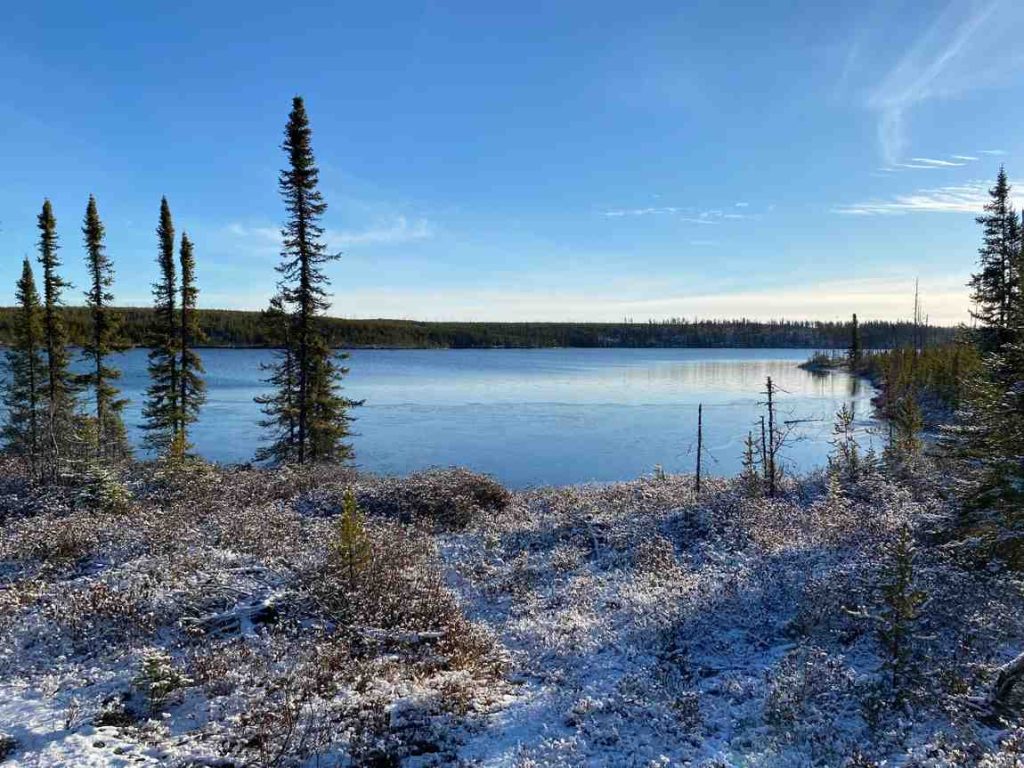
CanAlaska Uranium Ltd. [TSXV: CVV; OTCQX: CVVUF; FSE: DH7] reported the start of the 2026 fall drill program on the Key Extension Project in the southeastern Athabasca Basin, Saskatchewan. The 2026 Key Extension fall program will focus on a series of high-priority target areas identified from recent high-resolution airborne geophysical surveys and the review of historical drilling programs on the project.
One drill has been mobilized to the project site and drilling has now begun. The Key Extension project is 100%-owned and is located approximately 15 km south of the past-producing Key Lake Mine and currently operating Key Lake Mill.
Cory Belyk, CEO., commented, “The Key Extension project is a high-priority project within the CanAlaska portfolio. In the winter drill program, the team discovered the right rocks with large-scale structures and hydrothermal alteration. The style of alteration encountered is a good indication that hydrothermal fluids, possibly uranium-bearing, have passed through the rocks in a significant way. The team is now on the hunt for where uranium may have been deposited within these hydrothermal systems along these structural zones. CanAlaska is fully funded to carry out the Key Extension program.”
The 2026 fall drill program on the Key Extension Project will consist of one diamond drill operating to complete an estimated 6 to 10 drillholes. The primary focus for the fall program will be on continued drill testing of a series of high-priority target areas identified based on the recent airborne geophysical surveys.
The company recently completed a winter drill program on the project that highlighted the consistent intersection of graphitic stratigraphy containing re-activated semi-brittle basement fault zones with associated hydrothermal clay and chlorite alteration. The high-priority exploration target areas on the Key Extension project remain focused on a series of long-linear magnetic low corridors associated with conductivity high corridors that are interpreted to extend from the Key Lake Mine and Mill complex area through the company’s Key Extension and Nebula projects.
The magnetic lows with associated conductivity highs are interpreted to represent the graphitic metasedimentary rocks of the lower Wollaston Domain in the highly prospective Wollaston-Mudjatik transition zone. Drill targets on the Key Extension Project within the graphitic metasedimentary package are focused on areas of interpreted structural complexity, where interpreted bends and breaks in the conductive rocks may create the potential for transport and trap of hydrothermal uranium-bearing mineralizing fluids.
For the fall drill program, the company is focused on two key target areas on the Key Extension project. Up-Ice of the Orchid Lake Boulder Field: A series of drillholes are planned to continue testing the conductive stratigraphy along the western conductive trend up-ice of the historically reported Orchid Lake radioactive boulder field where up to 0.13% uranium was reported in historical boulder grab samples.
Drilling in this target area will build upon the results from the recent winter program, where KEY017 and KEY018 successfully intersected graphitic stratigraphy containing semi-brittle fault zones associated with localized chlorite and clay alteration. Results from the drillholes in this target area did not explain the source of the Orchid Lake boulder field and as such, additional targets positioned immediately up-ice along the interpreted glacial ice direction of the Orchid Lake boulder field are planned.
Western Conductive Trend: A series of drillholes are planned to test the long-linear conductive trend along the western margin of the Key Extension Project. This conductive trend, which represents over 10 km of sparsely tested conductive target stratigraphy, parallels the highly prospective Wollaston-Mudjatik transition zone. Along the trend, multiple conductor-parallel fault zones have been interpreted from the high-resolution geophysical data. The interaction between these conductor-parallel and cross-cutting fault zones represents high-priority exploration targets for basement-hosted uranium deposits.
A drill program on the Key Extension project in 2023 successfully intersected graphitic host rocks showing evidence of multiple post-Athabasca structural reactivation events, hydrothermal alteration, and associated uranium enrichment along the western conductive trend.
CanAlaska is a leading explorer of uranium in the Athabasca Basin of Saskatchewan. With a project generator model, the company has built a large portfolio of uranium projects in the Athabasca Basin.
CanAlaska owns numerous uranium properties, totaling approximately 375,000 hectares, with clearly defined targets in the Athabasca Basin covering both basement and unconformity uranium deposit potential. The company has recently concentrated on the West McArthur high-grade uranium expansion with targets in
Fully financed for the 2026 drill season, CanAlaska is focused on uranium deposit discovery and delineation in a safe and secure jurisdiction.
Resource World Magazine Inc. has prepared this editorial for general information purposes only and should not be considered a solicitation to buy or sell securities in the companies discussed herein. The information provided has been derived from sources believed to be reliable but cannot be guaranteed. This editorial does not take into account the readers investment criteria, investment expertise, financial condition, or financial goals of individual recipients and other concerns such as jurisdictional and/or legal restrictions that may exist for certain persons. Recipients should rely on their own due diligence and seek their own professional advice before investing.