
Spartan launches maiden tungsten drilling program in Nevada
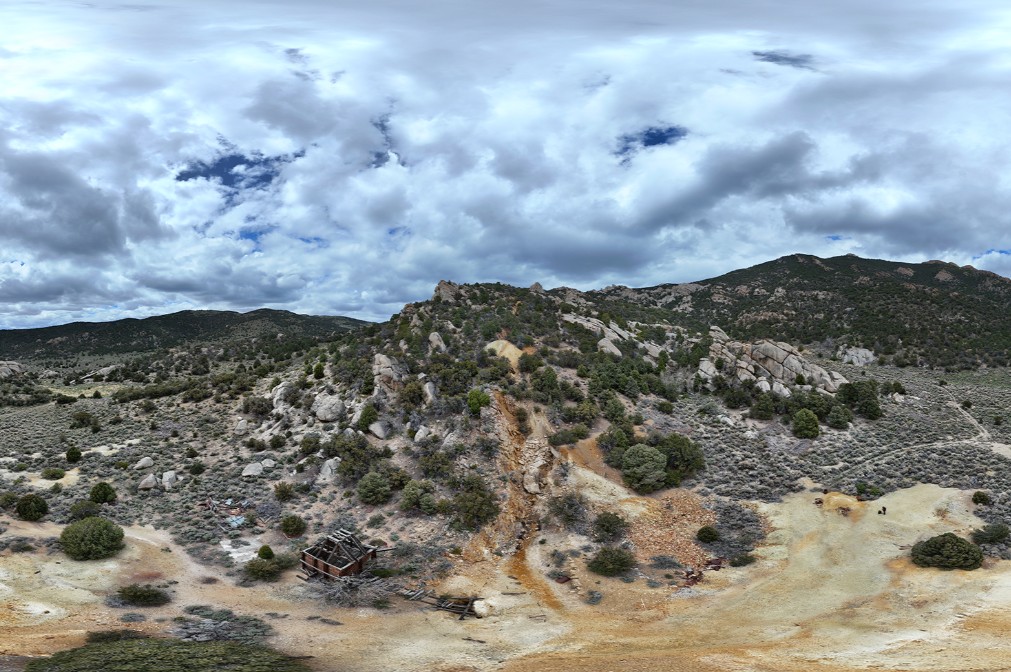
Spartan Metals Corp. [W-TSXV, SPRMF-OTCQB, J03-FSE] has launched drilling at its 100%-owned Eagle tungsten-silver-rubidium project in Nevada.
The company said it is planning to complete up to 3,000 metres of diamond core drilling, with a focus on three primary targets to be tested in 2026, including the Southeast tungsten anomaly with tungsten skarn potential, the tungsten-silver-rubidium vein system defined from recent surface exploration, and new high potential targets defined through IP (induced polarization) geophysics.
The program advances the second of Spartan’s two U.S. tungsten projects, alongside the Victorio tungsten molybdenum project in New Mexico which has a coming preliminary economic assessment (PEA) update in the fourth quarter of 2026.
Spartan shares advanced on the news, rising 1.82% or $0.01 to 56 cents. The shares trade in a 52-week range of 87 cents and 22.5 cents. “This is a very exciting moment for Spartan and the Eagle Project,’’ said Spartan President and CEO Brett Marsh. “We have done a significant amount of field work leading up to this point and we are thrilled to have drills turning at Eagle, which hasn’t seen any real exploration work since World War 2 when tungsten was a critical mineral for the war,’’ he said.
Marsh went on to say that Tungsten is vital to U.S. defense, advanced manufacturing, and technology sectors, but the U.S. remains dependent on non-allied imports. He said a July 20th Presidential Executive Order makes the national imperative clear that the U.S. must secure domestic supply chains for critical minerals. “Eagle provides an excellent opportunity to explore and potentially develop a U.S. source of tungsten in Nevada,’’ he said. “We are eager to see the results from this maiden drilling program at Eagle, which will be out later this year.’’
The primary objective of the program is to evaluate the depth and continuity of the tungsten-silver-rubidium vein mineralization and to investigate the tungsten skarn potential adjacent to the veins while advancing an understanding of the broader mineral system.
Eagle is 36.5 square kilometres in size and located approximately 120 kilometres northeast of the town of Ely, in the Kern Mountains of White Pine County, Nevada. The project covers 9,033 acres, consisting of 445 Bureau of Land Management unpatented lode mining claims.
The company says the Eagle Project presents an opportunity to delineate one of the largest and highest-grade tungsten and rubidium districts in the United States. The property consists of the past-producing high-grade Tungstonia, Yellow Jacket, and Rees/Antelope tungsten mines, which operated from 1915 to 1942, with intermittent production occurring until 1956. Tungsten production from these mines amounted to 8,379 units at grades of between 0.6%-0.9% W03.