
Brixton Metals drills 13.0 metres of 594 g/t silver at Langis Project, Ontario
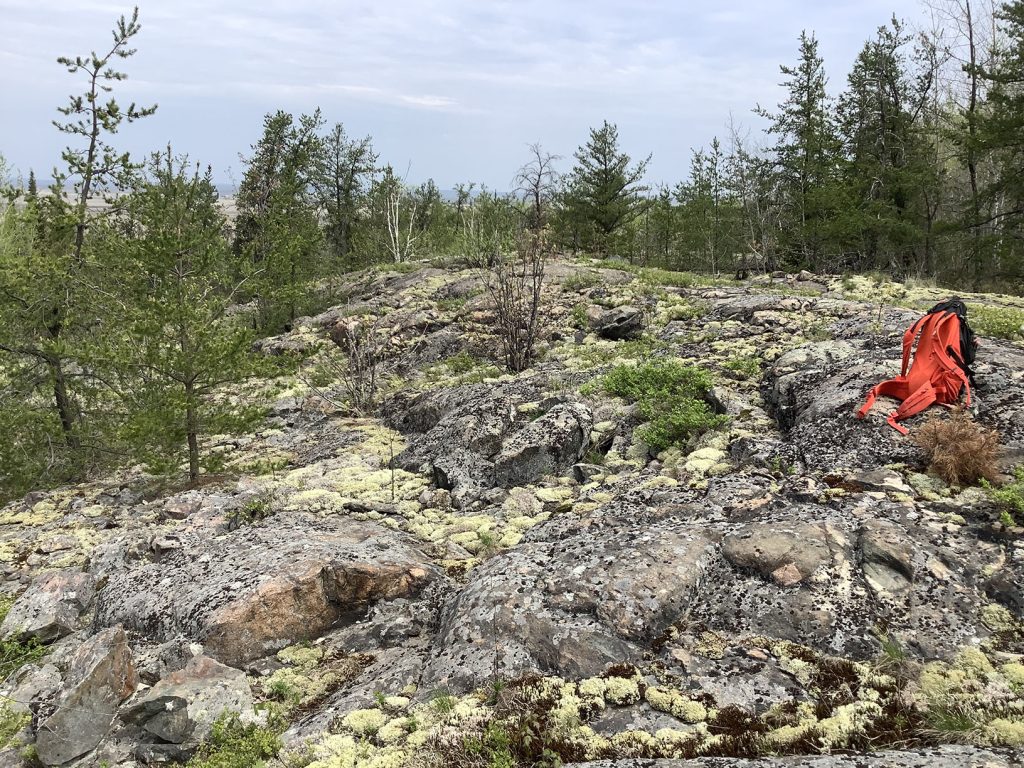
Brixton Metals Corp. [TSXV: BBB; OTCQX: BBBXF] reported the fourth batch of results from its ongoing exploration at the wholly owned Langis Silver Project, located in the historic silver mining camp of Cobalt, northeast Ontario. The 2026 drill campaign marks a significant milestone, targeting both infill and expansion of established high-grade silver zones. To date, a total of 13,845 metres across 68 drill holes has been completed in 2026.
Highlights: Hole LM-26-350 intersected 13.0 metres of 594 g/t silver in the Shaft 6-Southeast (S6-SE) target area, including 2.0 metres of 873 g/t silver, including 0.5 metres of 7,900 g/t silver.
S6-SE has limited historic mine workings and historic drilling, highlighting strong potential for new high-grade silver discoveries. The S6-SE silver intercept occurs ~150 metres from Shaft 6-South (S6-S). The S6-S area has delivered some of the best intercepts reported by Brixton and S6-SE shows similar patterns of silver distribution.
Gary R. Thompson, Chairman and CEO, stated, “We are excited to report the fourth batch of drill results from the Langis 2026 drill program. These results clearly indicate that new mineralization remains to be discovered and reinforces Langis as a truly unique primary silver project. We plan to add a second drill around mid-May to meet our goal of a minimum 60,000 metres of drilling at Langis this year as we advance toward a maiden resource estimate.
“Based on the historical mining at Langis and the drilling Brixton has conducted we have an Exploration Target for the project of 400 g/t silver to 800 g/t silver in the 1 million tonnes to 2 million tonnes range.
“In addition, we have initiated drilling on the tailings at Langis to quantify the silver content within the tailings followed by metallurgical recovery test work. We believe that the tailings recovery project represents a short-term catalyst for the company to unlock value for shareholders.”
Brixton’s exploration around the historic Shaft 6 area at Langis has outlined at least two zones of silver mineralization: Shaft 6 South (S6‑S) and Shaft 6 Southeast (S6‑SE). Most of the results in this news release relate to S6‑S, where ultra-high-grade silver mineralization was previously reported from this year’s program. Drilling in this area continues to return high-grade intercepts, including in holes LM‑26‑289 and LM‑26‑332.
The latest results from hole LM-26-350 confirm the S6-SE target area as a meaningful expansion opportunity within the general Shaft 6 zone at the Langis Project. The 13.0-metre interval grading 594 g/t silver, including 0.5 metres of 7,900 g/t silver, represents one of the strongest intercepts returned to date from an area that has seen limited drilling and historic mine development.
Hole LM-26-350 in the S6-SE area is located approximately 150 metres from the S6-S area.
Notably, the distribution of silver within veins in LM-26-350 is similar to that observed at S6-S. In both areas, silver mineralization is primarily hosted along the unconformity between the Keewatin Basalts and the Huronian Sediments. This association supports the interpretation that S6-SE may represent a parallel or related high-grade zone to S6-S within the broader mineralized system.
Unlike portions of Shaft 6 that are impacted by historic workings, S6-SE has limited mine development and no known historic stopes. Follow-up drilling will focus on stepping out along strike from LM-26-350 to test continuity of the high-grade silver intervals and refine structural controls.
All assay values are weighted averages. Reported intervals are drilling length, and the true width of the mineralized intervals has not yet been determined
The wholly owned Langis Silver Project, located approximately 500 km north of Toronto, includes a former producing mine and excellent infrastructure, including all-season road access, power, rail connections, and a refiner.
Silver mineralization is found as native silver and within steeply to moderately dipping veins, veinlets, disseminations, rosettes, and fracture infill, often associated with minerals such as calcite, hematite, pyrite, cobaltite, chalcopyrite, niccolite, and silver. Mineralization is hosted across three principal rock types: Archean Keewatin volcanic and metasedimentary rocks, Proterozoic Coleman Member sedimentary rocks of the Huronian Supergroup, and Proterozoic Nipissing diabase.
The geological ore deposit model for this area is a continental-rift extensional depositional environment. Intermittently from 1908 to 1989, the Langis Mine produced 10.4 million ounces of silver at a head grade of 777.5 g/t silver (25 opt). Reported silver recoveries at Langis were 88% to 98%.
Over 10km of underground workings were developed by previous operators; however, shafts and openings have been capped and sealed. Historically, silver mines in the Cobalt Camp have collectively produced over 445 million ounces of silver.
Resource World Magazine Inc. has prepared this editorial for general information purposes only and should not be considered a solicitation to buy or sell securities in the companies discussed herein. The information provided has been derived from sources believed to be reliable but cannot be guaranteed. This editorial does not take into account the readers investment criteria, investment expertise, financial condition, or financial goals of individual recipients and other concerns such as jurisdictional and/or legal restrictions that may exist for certain persons. Recipients should rely on their own due diligence and seek their own professional advice before investing.