
Brixton Metals drills 6,199 g/t silver over 1.00 metre, including 0.50 metre of 12,386 g/t silver at Langis Project, Ontario
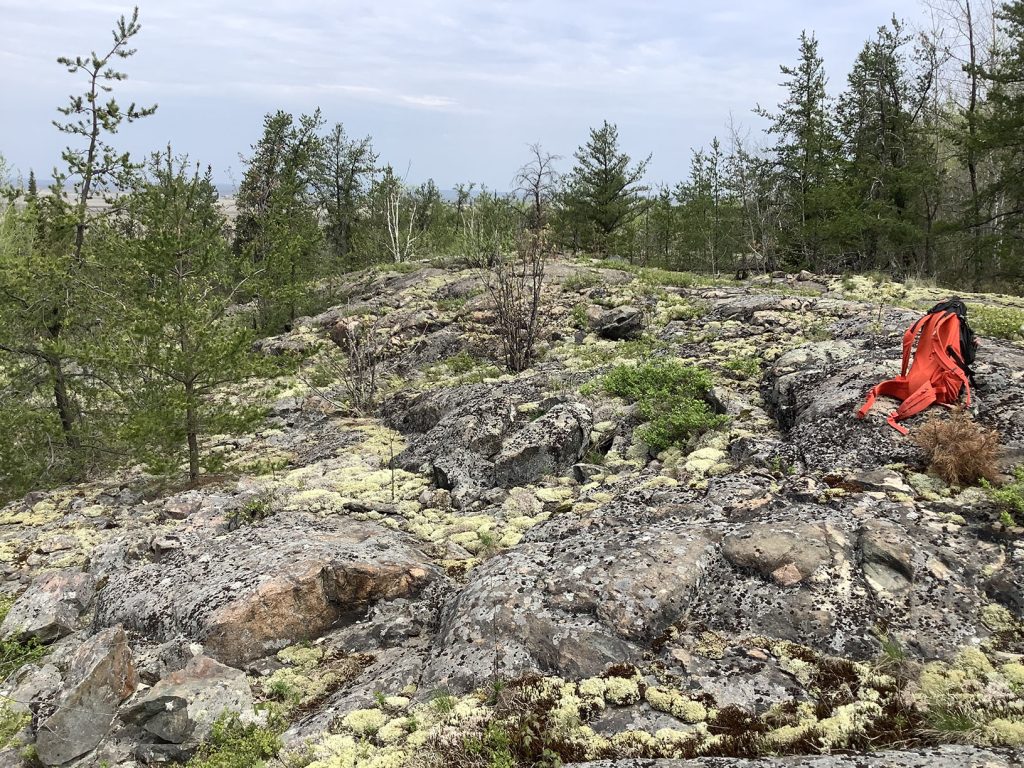
Brixton Metals Corp. [TSXV: BBB; OTCQX: BBBXF] reported additional silver results from 33 holes at its wholly owned Langis Silver Project, located in the historic silver mining camp of Cobalt, Ontario, Canada. The results reported herein extend mineralization approximately 50 metres to the south within the Shaft 6 South East (S6-SE) zone, where hole LM-26-399 returned 41.00 metres of 79.2 g/t silver, and include encouraging initial results from the Shaft 6 West (S6-W) area, where hole LM-26-401 returned 2.00 metres of 447 g/t silver and mineralization is now confirmed around the historic mine workings.
In the Shaft 6 (S6) area, hole LM-26-432 returned 1.00 metre of 6,199 g/t silver from 116.05 metres depth, including 0.50 metre of 12,386 g/t silver. So far in 2026, a total of 33,858 metres has been completed across 155 drill holes. Two rigs continue to operate at Langis, testing extensions of known mineralization.
Highlights: In the S6 area, hole LM-26-432 returned 1.00 metre of 6,199 g/t silver from 116.05 m depth, including 0.50 metre of 12,386 g/t silver from 116.05 metres depth.
In the S6-SE area, hole LM-26-399 returned 41.00 metres of 79.2 g/t silver from 208.00 metres depth, including 4.60 metres of 503 g/t silver from 213.35 metres depth.
In the S6 area, hole LM-26-408 returned 7.00 metres of 290 g/t silver from 123.00 metres depth, including 2.00 metres of 958 g/t silver from 126.00 metres depth.
In the S6-SE area, hole LM-26-375 returned 5.00 metres of 262 g/t silver from 182.00 metres depth, within 19.00 metres of 78.9 g/t silver from 172.00 metres depth.
In the S6-W area, hole LM-26-401 returned 2.00 metres of 447 g/t silver from 111.00 metres depth, including 0.50 metre of 1,735 g/t silver from 111.00 metres depth.
Gary R. Thompson, Chairman and CEO, stated, “Drilling at Langis continues to show strong silver results with hole LM-26-432 returning over 12 kilograms of silver per tonne. The disseminated native silver flanking the veins in holes like 399 suggests the mineralized envelopes are wider than the historic vein-only model implied. Our current strategy remains to expand known silver zones in and around the historic mine workings.”
Shaft 6 South East (S6-SE): New results from this recently discovered brownfield area, with no mining works, show the extension of mineralization to the south. Hole LM-26-399 was collared approximately 50 metres south of previously reported hole LM-26-377. Both holes returned silver mineralization over intervals of tens of metres, demonstrating continuity of the vein system within the Shaft 6 South East (S6-SE) zone.
As previously reported, hole LM-26-377 returned 20.00 metres of 5,015 g/t silver from 165.00 metres depth, including 14.00 m of 7,150 g/t silver, 1.15 m of 74,137 g/t silver and 0.65 m of 89,125 g/t silver. Hole LM-26-399 returned 41.00 m of 79.2 g/t silver from 208.00 m depth, including 4.60 m of 503 g/t silver from 213.35 m depth, as well as 7.90 m of 94.7 g/t silver from 241.10 m depth, including 0.55 m of 1,085 g/t silver from 243.15 m depth.
Disseminated native silver accompanies the vein-hosted mineralization. Brixton interprets this as an upside to the traditional vein-focused exploration approach at Langis, as the disseminated silver appears to create broad shoulders of mineralization flanking the veins, which could significantly widen the mineralized envelopes and help expand a potential resource.
Shaft 6 West (S6-W): Initial results from the Shaft 6 West (S6-W) area are also encouraging and indicate that mineralization extends around the historic mine workings in this zone.
Hole LM-26-401 is a good example, returning 2.00 metres of 447 g/t silver from 111.00 metgres depth, including 0.50 metre of 1,735 g/t silver. Silver mineralization at 111.00 metres is observed disseminated and in carbonate cobaltite veins. Brixton intends to continue drilling S6-W to expand mineralization, as the Company has been doing in the Shaft 6 South (S6-S) and S6-SE areas.
Brixton continues to drill test additional targets in the surrounding Shaft 6, Shaft 6 North and Shaft 6 South areas. Highlights include hole LM-26-432, which returned 1.00 metre of 6,199 g/t silver from 116.05 metres depth, including 0.50 metre of 12,386 g/t silver from 116.05 metres depth, hole LM-26-408, which returned 7.00 metres of 290 g/t silver from 123.00 metres depth, including 2.00 metres of 958 g/t silver from 126.00 metres depth, hole LM-26-394, which returned 2.00 metres of 236 g/t silver from 122.00 metres depth, and hole LM-26-382, which returned 0.90 metre of 710 g/t silver from 131.00 metres depth. This reflects the Company’s dual exploration strategy at Langis: to expand known mineralized zones while also testing prospective ground for new discoveries.
Reported intervals are drilling lengths, and the true widths of the mineralized intervals have not yet been determined.
The Langis Project: An Exploration Target of 1.0 to 2.0 million tonnes grading 400 to 800 g/t silver has been conceptualized for the project.
The potential quantity and grade of the Exploration Target are conceptual. Insufficient exploration has been completed to define a mineral resource.
The wholly owned Langis Silver Project, located approximately 500 km north of Toronto, Ontario, includes a former producing mine and benefits from excellent infrastructure, including all-season road access, power, rail connections, and a refiner.
Silver mineralization occurs as native silver and in steeply to moderately dipping veins, veinlets, disseminations, rosettes, and fracture infill, often associated with minerals such as calcite, hematite, pyrite, cobaltite, chalcopyrite, niccolite, and gold.
Mineralization is hosted across three principal rock types: Archean Keewatin volcanic and metasedimentary rocks, Proterozoic Coleman Member sedimentary rocks of the Huronian Supergroup, and Proterozoic Nipissing diabase. The geological deposit model for the area is a continental-rift extensional depositional environment.
The Langis Mine produced 10.4 million ounces of silver intermittently between 1908 and 1989 at a head grade of 20 to 25 oz/ton, with reported recoveries of 88% to 98%. Previous operators developed over 10 km of underground workings; however, shafts and openings have been capped and sealed.
Historically, reported silver mines in the Cobalt Camp have collectively produced over 445 million ounces of silver. We also understand, through personal communication with mine workers in the camp, that ultra-high-grade native silver collector pieces did not make it through the mills, suggesting that the camp’s actual silver production is significantly higher than the reported numbers.
The historic production figures referenced above are sourced from third-party records and personal communications, have not been verified by Brixton or by the Qualified Person, and should not be relied upon.
Brixton Metals owns four exploration projects: Thorn copper-gold-silver-molybdenum Project in NW British Columbia, the Hog Heaven copper-gold-silver Project in NW Montana, USA, which is optioned to Ivanhoe Electric Inc., the Langis and Hudson Bay silver Projects in Ontario and the Atlin Goldfields Project located in northwest BC, which is optioned to Eldorado Gold Corp.