
Element One Hydrogen posts up to 28.46% magnesium and 3,305 ppm nickel at Twin Sisters project, Washinton State
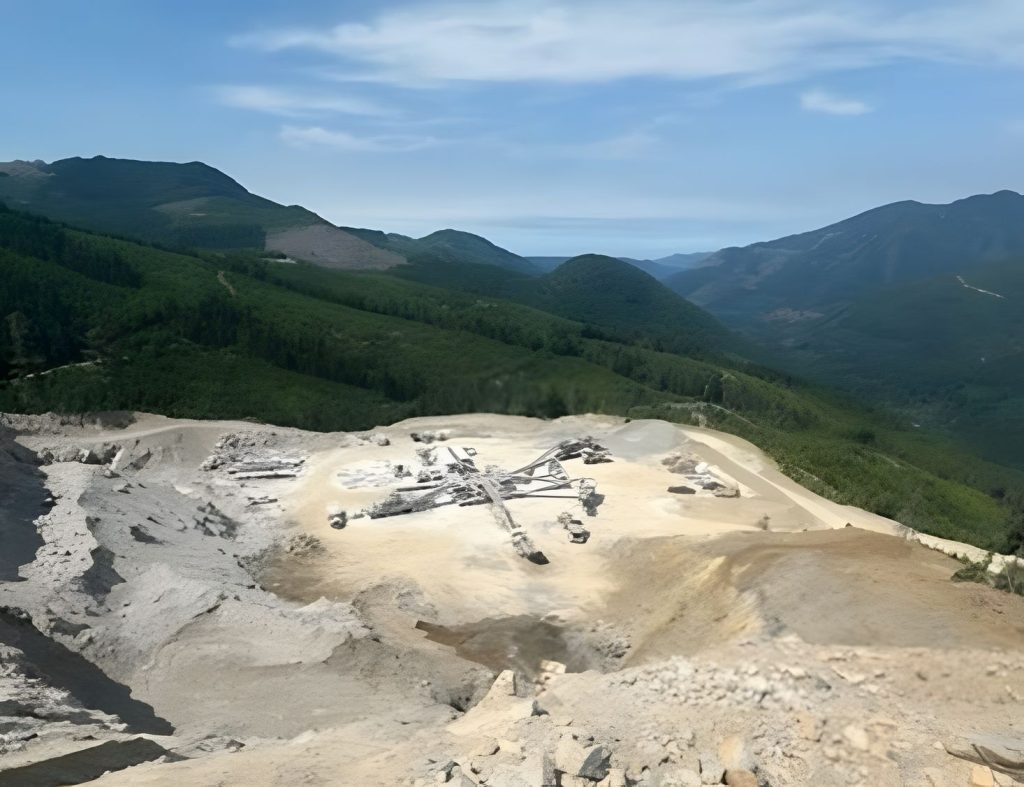
Element One Hydrogen & Critical Minerals Corp. [CSE: EONE] reported assay results from sampling of olivine material at the Millbank Materials Twin Sisters ultramafic project in Washington State. The eight samples returned consistently strong magnesium values ranging from 26.39% to 28.46% Mg, together with nickel values ranging from 2,660 to 3,305 ppm Ni.
The results provide initial validation of the quality and consistency of the domestic ultramafic feedstock that underpins Element One’s Twin Sisters strategy. Under its memorandum of understanding with Millbank Materials, the company has the right to purchase up to 50,000 tonnes per year of material represented by the sampling program, with an option to increase that amount to 100,000 tonnes per year.
Representative sample splits have been provided to Revora Materials Inc., a New York-based mineral-processing technology company, for independent evaluation as part of the parties’ ongoing work to assess the suitability of Twin Sisters material for processing using Revora’s proprietary IonMet™ technology platform.
Consistent magnesium-rich feedstock: all eight samples returned between 26.39% and 28.46% Mg.
Meaningful nickel values: assays ranged from 2,660 to 3,305 ppm Ni, supporting further metallurgical evaluation of potential recoverable mineral products.
Domestic supply pathway: the Millbank MOU provides access to up to 50,000 tonnes per year, with an option to increase to 100,000 tonnes per year.
Next-stage testwork underway: sample splits have been delivered to Revora for independent characterization and process evaluation.
Potential dual-value platform: Element One is evaluating the same ultramafic rock for critical-mineral recovery and natural hydrogen generation through accelerated serpentinization.
Twin Sisters is central to Element One’s strategy of combining domestic feedstock, innovative mineral-processing technology and natural hydrogen development within a single North American platform. The assay program represents an important step in characterizing the feedstock before more detailed process and recovery testwork.
The consistency of the magnesium assays is particularly relevant to potential future production. A comparatively narrow feed-grade range can support more predictable process-design and testwork assumptions than highly variable material, although additional sampling and metallurgical testing are required to determine whether this consistency extends across future feedstock and can be maintained in operation.
The company’s planned next steps include supporting Revora’s independent characterization and IonMet™ process evaluation, defining follow-up mineral-processing testwork and working with Columbia University to advance evaluation of the material’s natural hydrogen potential. Results from these programs are expected to help inform the scope and design of future pilot-scale work. No decision to construct a pilot or commercial facility has been made.
“These results are important because they provide initial validation of the consistency of the domestic feedstock at the centre of our Twin Sisters strategy,” commented Brad Kitchen, President and CEO of Element One. “Our objective is to evaluate two potential value streams from the same ultramafic rock: critical minerals through our work with Revora and natural hydrogen through our collaboration with Columbia University. With feedstock access established under the Millbank MOU and material now in Revora’s hands for evaluation, we are advancing the disciplined testwork needed to assess that opportunity.”
In addition to its critical-mineral potential, the Twin Sisters ultramafic material is being evaluated for its potential to generate natural hydrogen through accelerated serpentinization-the reaction of water with iron-bearing ultramafic rock. Element One intends to work with Columbia University to advance laboratory and technical evaluation of this potential alongside its mineral-processing program. The generation, recovery and commercial production of hydrogen from the Twin Sisters material have not yet been demonstrated.
Element One Hydrogen & Critical Minerals is building an integrated North American natural hydrogen and critical minerals platform focused on advancing secure, domestic energy and critical minerals supply chains. Through a growing portfolio of strategic resource assets, proprietary technologies and industry partnerships, the company is advancing the exploration, development and commercialization of natural hydrogen, magnesium and other critical minerals.
Element One’s projects span British Columbia, Washington State and Alaska and are supported by collaborations with world-class research institutions, including Columbia University, and strategic partnerships with industry, Indigenous communities and government.
Resource World Magazine Inc. has prepared this editorial for general information purposes only and should not be considered a solicitation to buy or sell securities in the companies discussed herein. The information provided has been derived from sources believed to be reliable but cannot be guaranteed. This editorial does not take into account the readers investment criteria, investment expertise, financial condition, or financial goals of individual recipients and other concerns such as jurisdictional and/or legal restrictions that may exist for certain persons. Recipients should rely on their own due diligence and seek their own professional advice before investing.