
Scandium Canada launches 4,000-metre diamond drilling program at Crater Lake, Québec
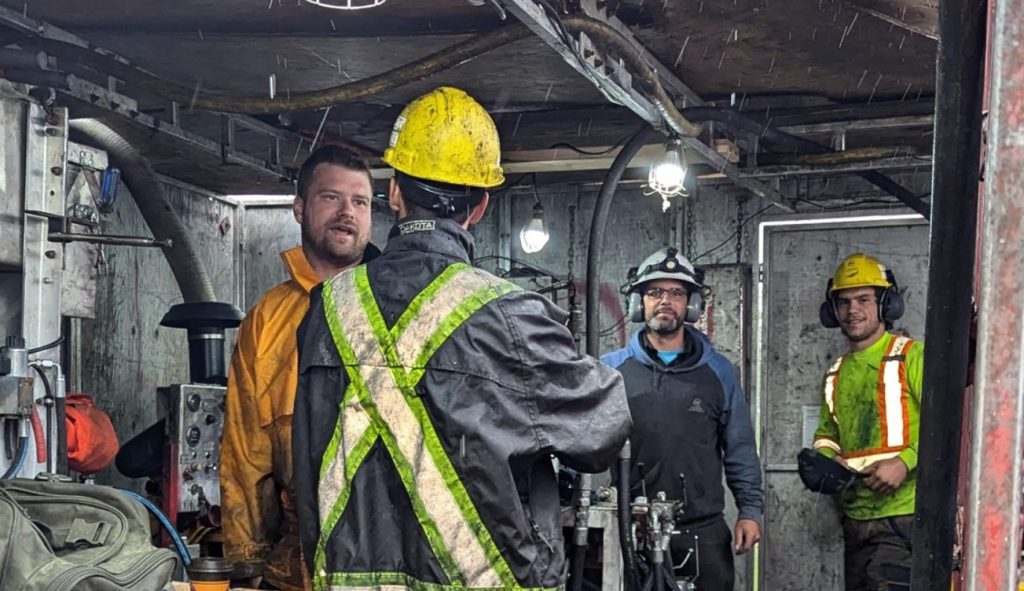
Scandium Canada Ltd. [TSXV: SCD] reported the launch of its 2026 diamond drilling program at the Crater Lake scandium project in Nunavik, Québec. The program comprises approximately 4,000 metres of diamond drilling, dedicated primarily to the collection of a representative metallurgical bulk sample throughout the defined resource, complemented by resource extension drilling at the TG Zone and exploration drilling on the Discovery Zone.
Camp mobilization has been underway since late April under the management of Laurentia Exploration. Drilling is expected to begin in the coming weeks and continue through August 2026. In parallel, WSP will continue previous environmental assessment work from June to September in support of the prefeasibility study.
Highlights: 75% to 80% of the planned drilling, approximately 3,000 to 3,500 metres, is dedicated to collecting a metallurgical test bulk sample of 8 to 10 tonnes throughout the defined resource and to testing its variability.
Camp mobilization has been underway since late April 2026; drill crews will arrive on June 20 and equipment is expected to arrive on site starting the same day. Drilling is expected to begin in the coming weeks and continue through August 2026.
Fifteen to 20% of the drill budget (500 to 1,000 metres) is dedicated to exploratory resource augmentation drilling to test the lateral limits of the 2025 mineral resource estimate, which remains open.
The remaining drill meterage will be allocated to limited shallow exploration drilling to test targets on the Discovery Zone, approximately 750 m SSW, along strike from the TG Zone resource.
Continuation of the previous environmental assessment work by WSP from June to September.
Guy Bourassa, CEO, commented: “With mobilization underway at Crater Lake, this program advances several priorities at once. The bulk of the drilling is dedicated to collecting a representative metallurgical bulk sample throughout the defined resource, the key input for the metallurgical work required for a feasibility study. We will also test the lateral extensions of the TG Zone, where the deposit remains open, and drill initial exploration targets on the Discovery Zone. We expect a steady flow of news from Crater Lake as results become available this fall.”
The 2026 campaign is built around three technical objectives.
Metallurgical bulk sample: The core of the program, approximately 3,000 to 3,500 metres depending on rock types intercepted, is dedicated to collecting a representative bulk sample of 8 to 10 tonnes throughout the resource defined in the 2025 mineral resource estimate. The sample will be assembled from half-diameter HQ drill core, assuming approximately 80% recovery over mineralized intercepts. The objective is to confirm grades and test the variability of the deposit from a metallurgical standpoint, providing the material required for the metallurgical testwork supporting the future feasibility study. The orientation of certain drillholes will also allow the company to test the continuity of the resource at depth.
Resource extension: Approximately 500 to 1,000 metres of exploratory drilling will test the lateral limits of the 2025 mineral resource estimate, which remains open, with the objective of demonstrating potential to expand the existing resource.
Regional exploration: A limited number of shallow exploration holes will test targets on the Discovery Zone, beyond the TG Zone which hosts the current prefeasibility work. Depending on results and remaining budget, additional extension and exploration drilling may be considered during the season.
The Crater Lake project hosts a mineral resource estimate within the TG Zone, which remains open, as set out in the technical report entitled “NI 43-101 Technical Report and Updated Mineral Resource Estimate for the Crater Lake Project, Quebec, Canada”.
From June to September, WSP will continue the environmental assessment work initiated in 2024 at Crater Lake. The program includes fauna and flora inventories, fish habitat surveys, and hydrogeological and geochemical studies, all in support of the environmental assessment underpinning the prefeasibility study. The WSP team is expected on site on June 15.
Field activities are conducted from the Company’s existing exploration camp, with a maximum of 20 people on site and no new permanent installations. Laurentia Exploration manages camp logistics and the drilling campaign, with helicopter support for the movement of equipment and personnel.
Scandium Canada’s ultimate goal is to bring the world’s leading primary source of scandium into production, enabling the development and commercialization of aluminum-scandium (Al-Sc) alloys. The company is leveraging its Al-Sc alloys development division and the development of its Crater Lake mining project to meet the growing need for lighter, greener, longer-lasting, high-performance materials.