
West Point Gold drills 66.2 metres of 6.57 g/t gold, including 20.7 metres of 18.25 g/t gold at Gold Chain Project, Arizona
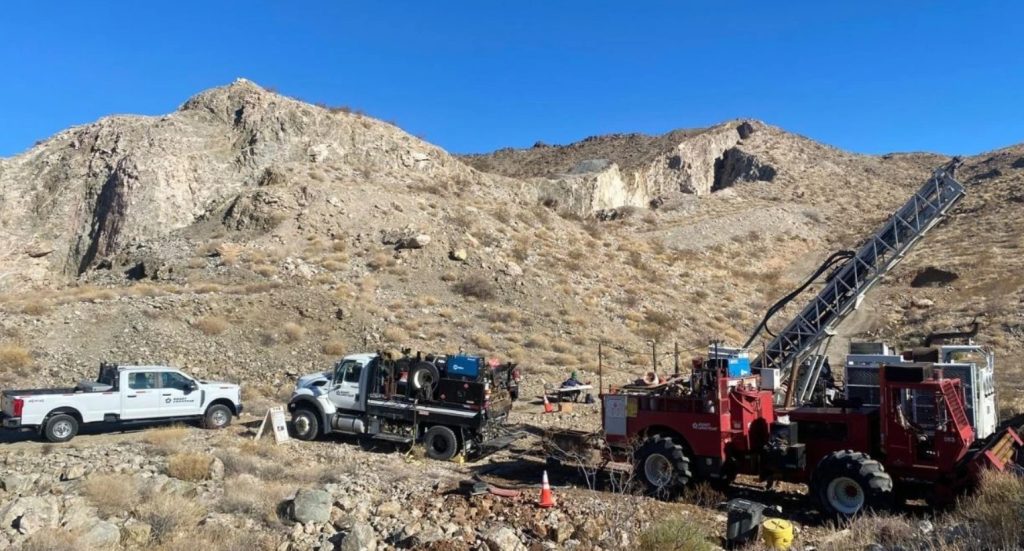
West Point Gold Corp. [TSXV: WPG; OTCQX: WPGCF; FSE: LRA0] reported results from hole GC26-148, drilled below the high-grade Northeast (NE) Tyro Zone at its flagship Gold Chain Project in Arizona, which intersected 66.2 metres of 6.57 g/t gold from 219 metres, including 20.7 metres of 18.25 g/t gold.
This step-out core hole successfully extended the NE Tyro Zone’s high-grade mineralization to more than 250m below surface. The zone remains open at depth and along strike. Results reported herein comprise 318.8 metres of the recently completed 21,079-metre drill program. Results from 21 holes representing 6,550 metres are still pending and will be incorporated into the company’s upcoming Maiden Resource Estimate (MRE) later in 2026.
Highlights: Hole GC26-148 returned 66.2 metres of 6.57 g/t Au from 219.0 to 285.2m, including 20.7m at 18.25 g/t Au, contained in a broad stockwork vein and breccia complex.
Hole GC26-148 is amongst the broadest (true width) and highest-grade intercepts drilled at NE Tyro. This hole has successfully extended previously known mineralization beyond 250m from surface, where the zone remains open to depth. There are 7 additional holes with assays pending at this depth (below 250m) at NE Tyro.
As a result of GC26-148, it is anticipated that the high-grade NE Tyro zone is likely to be open at depth following the MRE.
“This drill hole indicates that the high grades at NE Tyro continue to depth and this zone will remain open following the upcoming maiden resource. There are assays pending from additional holes at this depth from both NE Tyro and the Tyro Main Zone. This result, coupled with those that are pending, suggests that deeper drilling at Tyro will resume with the funded Fall 2026 to Spring 2027 drill program,” stated Derek Macpherson, President and CEO.
All widths shown are downhole; true widths are approximately 55% of downhole widths.
Hole GC26-148 was targeted to test below previous drilling at about 250 metres below the surface. There is a broad zone of quartz-calcite-adularia veinlets, stockwork and vein breccia over 66.2m between 219m and 285.2m containing 6.57 g/t gold. In context with the surrounding holes, a dip of 73 degrees is suggested, resulting in an estimated true width of about 35 metres. The location of this relatively deep intercept appears to be an extension of a steeply plunging shoot.
The NE Tyro vein is a robust, uniform vein system that dips to the SE at 70o to 75o and ranges in width from 10m to 35m. The width of the mineralized package varies relative to the development of quartz veinlets and stockwork in the hanging wall (HW) and ‘outboard’ from the principal quartz vein/breccia at the footwall (FW). Precambrian granite, along with lenses or ‘xenoliths’ of gneiss, schist and amphibolite, are the host rocks.
The main mineralized zone appears to be a zone of strong fracturing and brecciation cemented by a few to several crustiform-banded stages composed of quartz-calcite-adularia. These figures provide a closer view of the high-grade zone (20.7m at 18.25 g/t Au). All samples consist of a high percentage of vein, veinlets, and breccia composed mostly of quartz deposited in several events, revealing a variety of textures. Some of the most pronounced crustiform banding can be seen in Figure 4, where Sample No. 2246 contains 1.73m at 62.7 g/t Au.
Overall, quartz >> calcite veinlets in propylitized (chlorite + quartz + pyrite) and illitized (quartz + illite + pyrite) Precambrian rocks (granite and amphibolite) define the distal zone of veining and increase with depth from a few percent to 50% with variable, but generally low gold values (<1.68 g/t Au).
The main mineralized zone (249.2m to 269.9m) commences with moderate to strong quartz-calcite-adularia veinlets, stockwork and breccia, giving way to a multi-stage breccia zone up to the FW contact. Unlike other holes along this section, Hole GC26-148 encountered several metres of vein/hydrothermal breccia and possibly phreatic breccia (fluidal textures) in the footwall and possibly below the controlling structure.
The breccia and surrounding damage zone is wide and may remain so to greater depths. The modelling of these features in the upcoming weeks will provide greater insight into deeper targets.
West Point Gold is focused on unlocking value across four strategically located projects along the prolific Walker Lane Trend in Nevada and Arizona, USA. The company’s near-term priority is advancing its flagship Gold Chain Project, Arizona.